
Say What? (Why Bad Audio Disconnects Viewers)
Equipment Purchasing Essentials Series

In a world where subtitles are the norm, does audio even matter?
Yes! Once you capture someone's attention, the audio gets turned on. To keep them from swiping away, that audio better be worth their engagement.
Why Audio Is Tricky
There's a reason on professional sets that audio is its own department. Every microphone is designed to capture a specific type of sound. The sweet spot for crisp audio is matching the capability of the mic with the sound you want to hear.
For small teams, the sound you want is usually someone's voice – and not any other noise.
The problem is that the microphone can't distinguish between the voice you want and other sounds, including traffic outside, the HVAC system, or someone else in the background.
The microphone captures everything. Your job is to set it up so it captures mostly what you want.
Two Paths
There are two types of microphones most commonly used in video production. They're also the most affordable to add to a small kit: Shotgun (or Boom) microphones and Lavalier (Lav) microphones.
Both are used to capture voices, but they work in very different ways. To know which is best for your situation, you need to understand the basics of how they work.
How Lav Microphones Hear
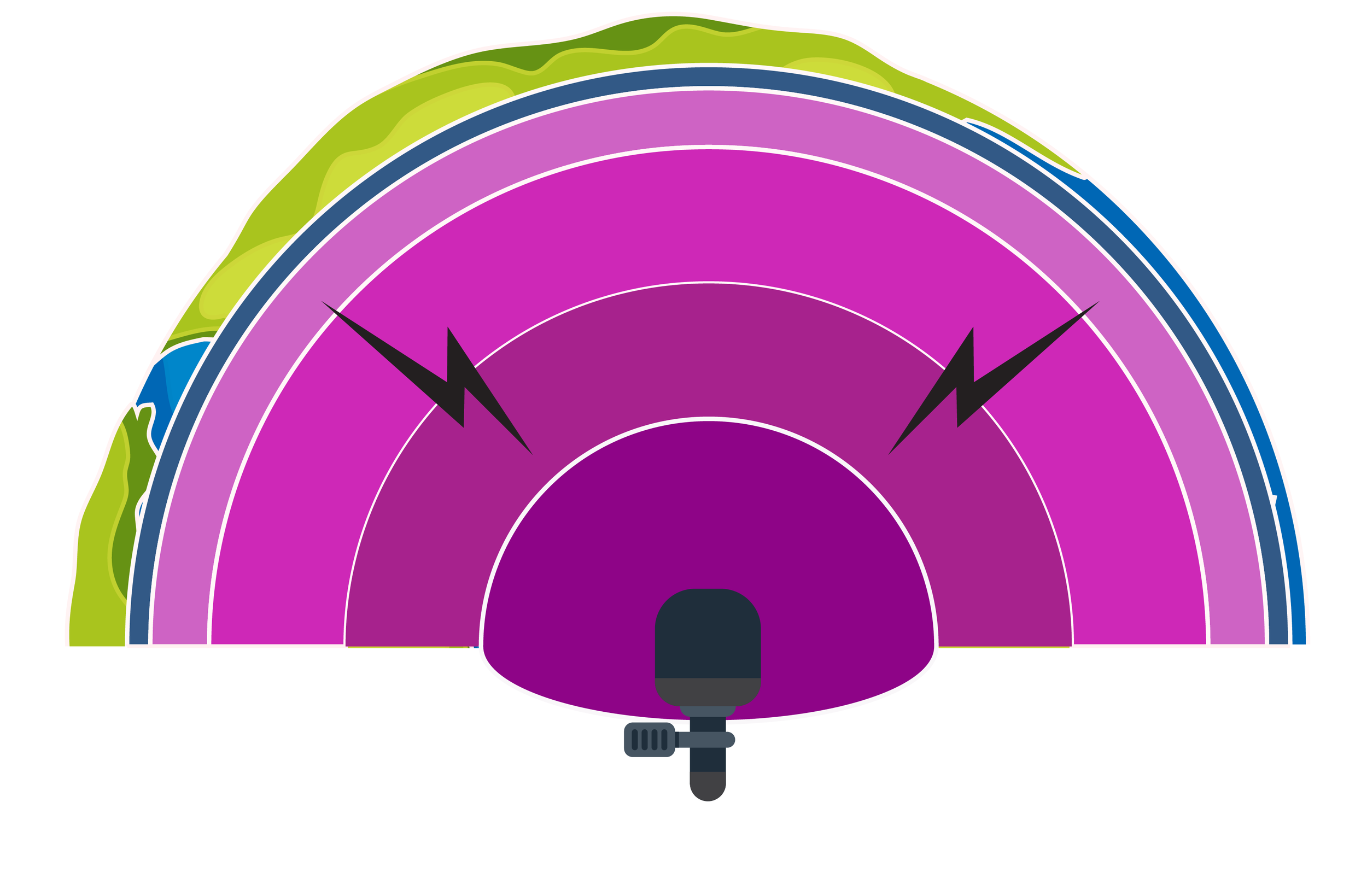
Lav microphones have an area of sensitivity shaped like a half sphere. Think of a cross-section of Earth's layers from elementary school, but cut in half across the equator. Imagine the microphone head at the center of the core.
A lav mic hears everything in that sphere equally. Sounds from one side are equal to sounds from another side or straight ahead. But sounds become more intense the closer they are to the core (the microphone).
This is why you clip a lav close to someone's mouth – to make their voice the loudest thing in that sphere.
How Boom Microphones Hear
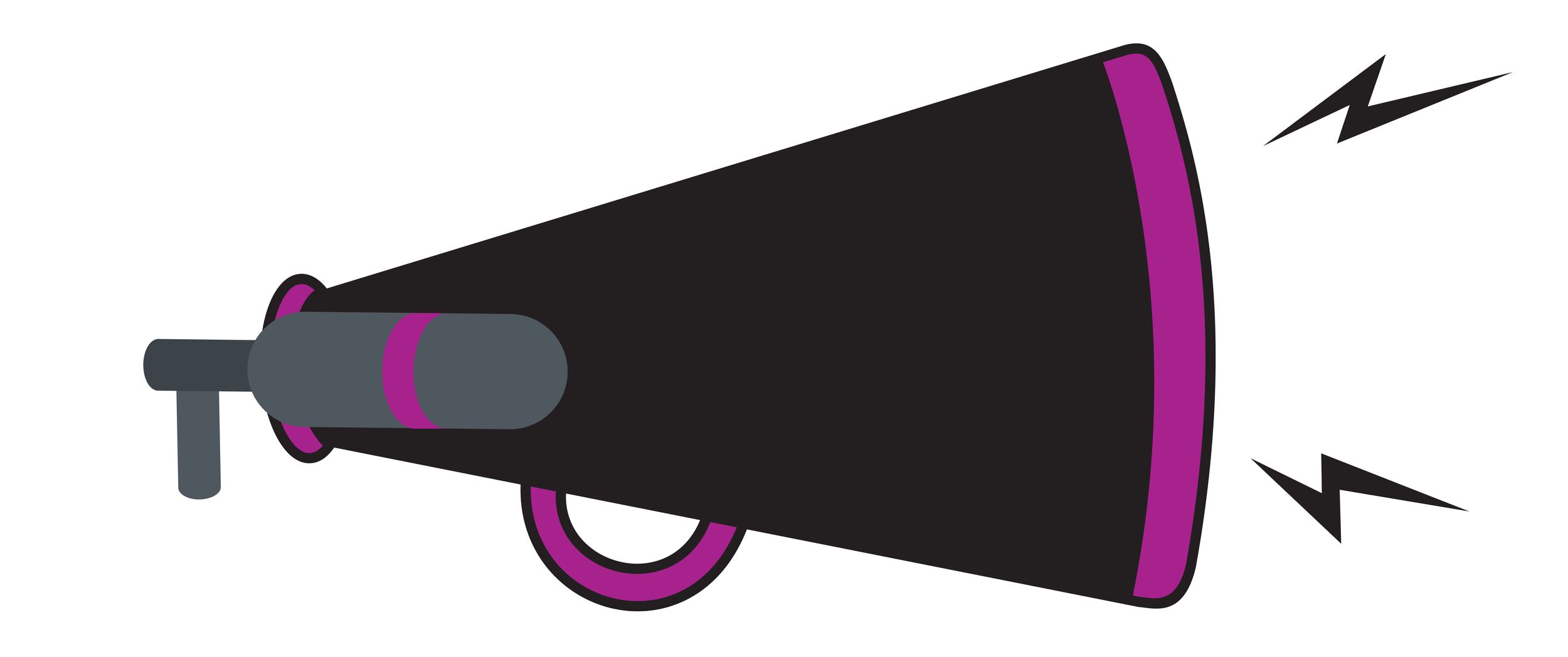
Boom mics have a sensitivity pattern shaped more like a cheerleading megaphone, with the narrowest end starting at the microphone head. This means sounds outside that cone don't get picked up as well.
This can be really helpful when there are sounds you want to avoid. The closer you can get the microphone to someone's mouth, the better it's going to sound. Boom mics don't need to be as close as a lav to get good results.
Lav Microphones: The Trade-offs
Why teams choose them:
Small, self-contained wireless kits
Often includes two microphones
Pair with phones and cameras
What you're dealing with:
Possible wireless interference
Unwanted sounds like clothes rustling
Microphone may be visible on camera (less professional look)
Battery life to manage
Boom Microphones: The Trade-offs
Why teams choose them:
More accurate sound quality
No wireless interference
Keeps the shot clean (microphone out of frame)
Easy on-camera mounting
What you're dealing with:
Best used with a pole and stand
Placement is crucial (on-camera mounting not always ideal)
Best performance comes at a higher cost
Off-camera mounting adds cables to manage
So, Which Should You Buy?
That's a tough answer, and honestly, it depends on your shooting situations.
A high-quality boom mic is going to give you better voice recording and won't interfere with the quality of your picture. But the newer lav kits give you more versatility at a better price point, especially if you're shooting interviews, testimonials, or events where mobility matters.
Here's what I tell teams: Start with what matches your most common shooting scenario, then add the other type as budget allows.
Good (Almost Pro) Audio Options
These are organized by type, with options at different price points to match your budget and needs.
Wireless Lav Microphones
Best for: Teams starting out or on tight budgets
Why this one:
Low price point makes it accessible
No visible branding on the microphone
Works with phones or cameras
Compact design your team will actually use
Best for: Teams ready to invest in better audio quality
Why this one:
Premium brand with solid warranty
Microphone easily hidden for cleaner look
Compact design with professional results
Two-person capability built in
Boom/Shotgun Microphones
Best for: Small or single-person teams wanting broadcast-quality audio at an accessible price
Why this one:
Low price point for the quality
Battery powered (no phantom power needed)
Premium brand and warranty
Mounts directly on camera
Best for: Small or single-person teams wanting USB-C versatility in challenging situations.
Why this one:
Wind screens for outdoor shooting
USB and Aux connections (versatility)
Premium brand and warranty
The compromise: On-camera mounting isn't always the ideal microphone position for best sound; limited range compared to professional options.
Next in the series: Camera accessories – the small additions that make a big difference in your footage quality.
Full transparency: The equipment links in this series are Amazon affiliate links, so I earn a small commission if you purchase through them. It doesn't cost you anything extra, and it supports me in creating more free content.
Ready to create professional videos that truly connect with your audience? While this guide helps you navigate equipment decisions for in-house projects, Four 3rds Creative specializes in strategic video content that delivers measurable results. Sometimes the best tool is partnering with experienced professionals who understand the full scope of impactful storytelling.